

Rome bids farewell to Paolo Bulgari, the king of Italian high jewellery
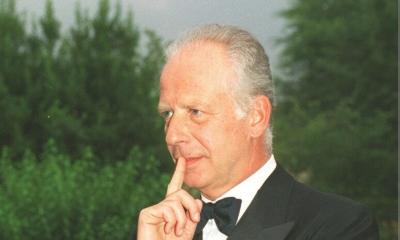
Rome– Italian jeweller and businessman Paolo Bulgari, one of the leading figures behind the international success of the Bulgari luxury brand, has died aged 89.
His death was announced by his family, who paid tribute to his humanity and entrepreneurial talent, describing him as a man who loved Italy and represented it around the world.
“With the passing of Paolo Bulgari, the greatest jeweller of our time is gone,” the family said in a statement.
His funeral will take place on Monday, 23 November, at 11am at the Basilica of Santa Croce in Gerusalemme in Rome.
Born in the Italian capital on 8 October 1937, Bulgari was the grandson of Greek silversmith Sotirio Bulgari, who founded the family business in Rome in 1884. The third son of Giorgio Bulgari, he helped lead the company alongside his brothers Gianni and Nicola, transforming it into one of the world's most recognisable names in luxury jewellery.
Under his creative leadership, the maison developed its distinctive identity, drawing inspiration from classical art and the architecture of Rome. The brand's close relationship with the capital was reflected in its historic boutique in Via Condotti, which became a destination for international celebrities, aristocrats and members of royal families.
Among its most famous customers were Elizabeth Taylor and Richard Burton, alongside Italian actress Anna Magnani and Hollywood stars Audrey Hepburn, Ingrid Bergman and Marilyn Monroe.
Bulgari was renowned not only for his entrepreneurial vision but also for his exceptional knowledge of precious stones. He was particularly admired for his ability to assess gemstones with the naked eye, recognising their qualities and imperfections and advising on how best to incorporate them into individual pieces.
He also played an important role in popularising coloured tourmalines during the 1980s, embracing their extraordinary range of shades, from pink and green to the vivid blue of Paraíba tourmalines.
In 2011, the Bulgari maison was acquired by French luxury group LVMH, although the founding family remained central to the identity and heritage of the brand.
Bernard Arnault, chairman and chief executive of LVMH, also paid tribute to the late jeweller, expressing his condolences to the family and the maison's employees.
“Throughout his life, he was a key architect of the brand's success, while supporting and embodying the Italian spirit and deeply Roman heritage of our exceptional jewellery house,” Arnault said.
Beyond the world of luxury, Bulgari maintained a strong commitment to the city where he was born. In 2019, he established the Paolo Bulgari Foundation in Rome, focusing on tackling educational poverty, supporting young people and improving public spaces in disadvantaged neighbourhoods.
The foundation has since supported dozens of initiatives, particularly in the eastern districts of the capital, combining educational opportunities with urban regeneration.
Among its recent projects was the creation of a new mechanical workshop at the vocational training centre of Borgo Ragazzi Don Bosco. It also supported the redevelopment of Largo Ferruccio Mengaroni in Tor Bella Monaca, through the Cresco educational regeneration project, which was promoted and entirely funded by the foundation.
The initiatives reflected Bulgari's desire to give something back to Rome, maintaining a connection with the city that had shaped both his life and the history of his family's business.
PS
© COPYRIGHT ITALIAN INSIDER
UNAUTHORISED REPRODUCTION FORBIDDEN