

Albania Protests: 963 University Professors Call for Rama’s Resignation
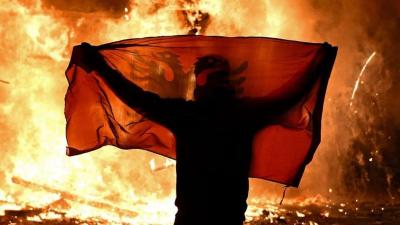
TIRANA — Seven days of protests, dozens of arrests and more than 270 people seeking medical assistance. Tensions are mounting in Albania amid student demonstrations against the government led by Edi Rama. At the centre of the dispute are demands for political change, allegations concerning police conduct and growing concerns over the involvement of minors in the clashes.
According to figures reported as of October 18, more than 270 people had sought medical assistance, including police officers. Amid rising tensions, 963 university professors have signed a statement condemning the alleged violence during student protests and calling on institutions to respect fundamental rights.
The signatories are urging Prime Minister Rama to listen to the students’ demands and resign, paving the way for the formation of a transitional government. The stated aim is to promote institutional stability, national reconciliation and respect for the will of the people.
The appeal is also addressed to law enforcement agencies, diplomatic missions based in Tirana and the public.
Police officers are urged to put an end to all forms of violence against students and to refuse to carry out any unlawful orders. The professors also stress the need to establish individual responsibility, including through footage recorded by citizens and media organisations.
Another section of the statement calls on diplomatic representatives to speak out in defence of the rights of Albanian citizens. Protesters, meanwhile, are urged to protect public and private property and avoid acts of vandalism that could be used to discredit the protests or justify further repressive measures.
The statement also refers to the events of 1991, urging the people of Tirana to join the students in an effort to prevent further violence.
“No government has enough police officers and tear gas to confront an entire people,” reads the closing message of the document, which calls for solidarity and the defence of fundamental freedoms.
Allegations of Violence Against Minors
One of the most sensitive aspects of the crisis is the involvement of minors. Seven teenagers aged between 15 and 17 were reportedly arrested during the October 18 demonstration.
Police handling of the clashes has become one of the main issues in the public debate. Concerns focus particularly on the protection of young people, the alleged excessive use of force and the need to establish the circumstances surrounding detentions and arrests.
Albania’s Interior Ministry and police have urged parents to prevent their children from taking part in violent incidents. The Albanian Helsinki Committee has raised concerns about the use of force by police officers, particularly against minors, and called for independent investigations into the reported incidents.
The presence of teenagers among those detained makes it even more urgent to verify how police operations were conducted, whether injuries were sustained and whether the safeguards provided for minors were respected.
The circumstances of each incident must be reconstructed through witness statements, video footage and medical records to ensure that any responsibility is established transparently.
Allegations of Assaults on Journalists
Alongside concerns about the treatment of minors, questions have also been raised about the conditions in which journalists are covering and documenting the demonstrations in Tirana.
Reports of alleged assaults, threats, intimidation and obstruction of media activities during the clashes raise a fundamental question: whether journalists can carry out their work without being subjected to pressure or violence while documenting police operations and developments in the protests.
Press freedom and journalists’ safety are essential safeguards of the public’s right to information, particularly during a period of heightened political and social tension.
The central issue remains establishing the facts: reconstructing the sequence of events, verifying individual conduct and determining whether police interventions were proportionate to the circumstances.
On the political front, Rama has rejected calls for his resignation. The prime minister has maintained that demonstrating is a fundamental right, while distinguishing peaceful protests from acts of violence, which he considers unlawful. He has also declared his willingness to engage in dialogue with those protesting peacefully.
The divide between the demonstrators’ demands and the government’s position remains clear. On one side, students and the signatories of the statement are calling for political change, the protection of fundamental rights and safeguards against abuses. On the other, the prime minister has ruled out resigning while expressing his willingness to engage in dialogue.
Meanwhile, families and members of the public continue to voice concerns about the safety of young people involved in the demonstrations. Calls for transparency and institutional accountability are intertwined with the debate over public order, press freedom and the right to protest.
The protests are driven not only by the handling of clashes with police but also by deeper dissatisfaction with the Albanian government. The demonstrations are taking place amid allegations of corruption, political scandals and frustration with the functioning of public institutions.
The high cost of living is also weighing heavily on many citizens, adding to the economic difficulties faced by families and fuelling social discontent, particularly among young people.
Against this backdrop, calls for Rama’s resignation and political change are increasingly intertwined with demands for greater transparency, institutional accountability and better living conditions.
© COPYRIGHT ITALIAN INSIDER
UNAUTHORISED REPRODUCTION FORBIDDEN